
Services
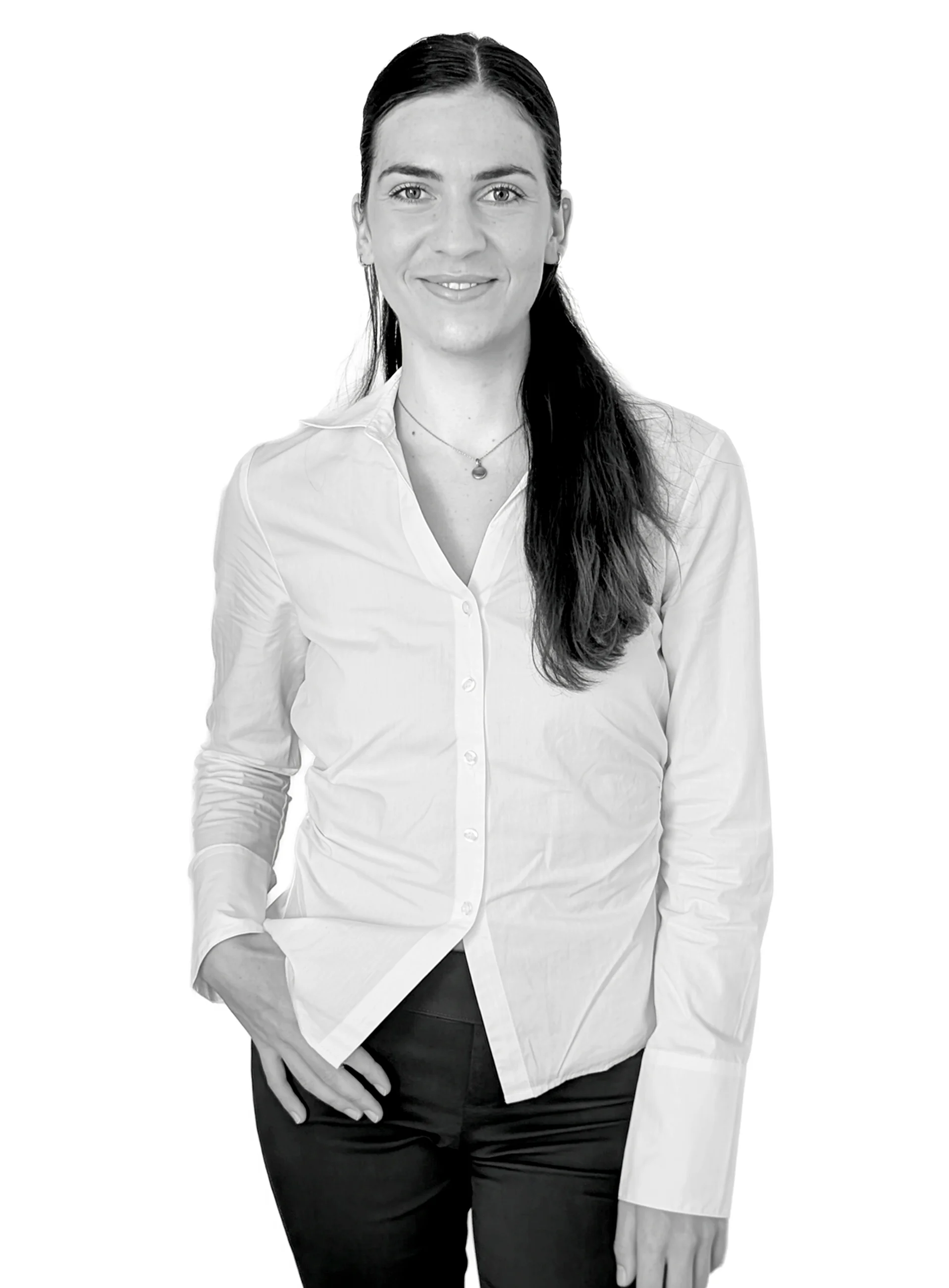
Susanna’s clinical approach is shaped by both clinical experience and her own journey with chronic fatigue, giving her a deep understanding of how easily standard rehabilitation can overwhelm sensitive systems. She works in a gentle, collaborative way, listening closely to how each body responds rather than applying fixed protocols. Her focus is on rebuilding strength and movement without triggering setbacks, supporting progress that feels manageable and consistent.
Fatigue conditions and dysautonomia disrupt how the body regulates and sustains energy. When post-exertional symptoms are present, pushing through or following graded exercise models often leads to further decline. Susanna works within the body’s limits, using pacing and carefully graded movement to stabilise energy before expanding it. As regulation improves, tolerance can increase without triggering the same crash cycles.
In hypermobile bodies, instability increases effort and drives compensation, often leading to fatigue and persistent pain. Strengthening alone rarely resolves this when control is inconsistent. Susanna focuses on how movement is organised, helping the body distribute load more efficiently and reduce unnecessary tension, so movement becomes more stable and sustainable.
Physical capacity is closely tied to nervous system regulation. Stress, mental load, and past experiences all shape how movement is tolerated and how symptoms present. Susanna integrates nervous system regulation techniques, breathwork and coaching-informed strategies alongside physical rehabilitation, helping reduce overwhelm and support more consistent engagement with movement.
Delivering our initial intake assessments — biio.markers Assessments – Susanna also provides detailed assessment for presentations such as hereditary connective tissue disorders and dysautonomia, including POTS and orthostatic intolerance. Her assessments help clarify patterns, identify contributing factors, and guide the team in developing a coordinated care plan for new patients at biio.