
Services
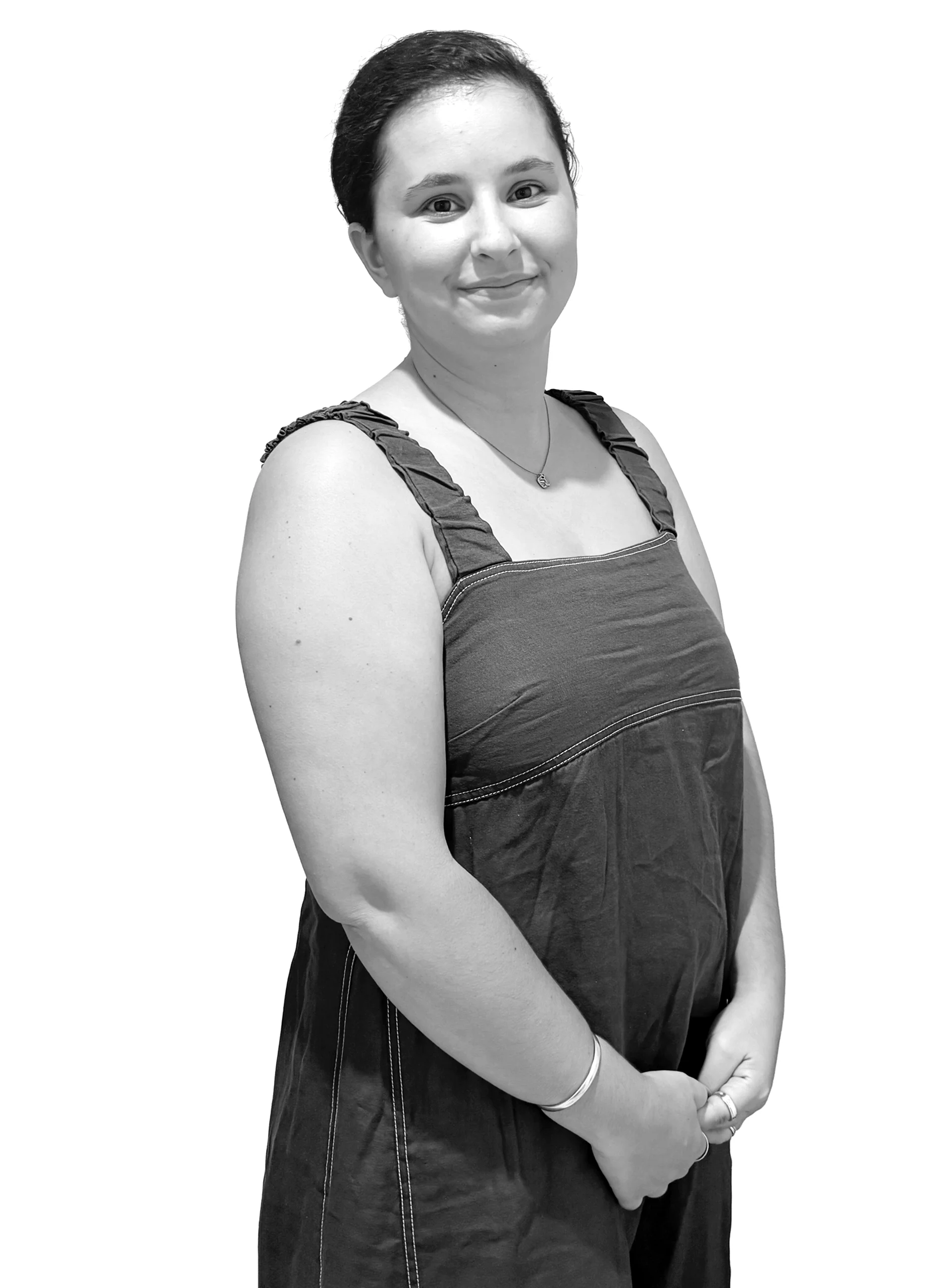
Chloe has spent her career working with people whose capacity doesn’t follow predictable rules—where effort doesn’t reliably lead to improvement, and pushing harder often makes things worse. She has seen how frequently fatigue, autonomic symptoms, sensory overload, and neurological changes are misinterpreted as motivation issues or lack of resilience. What drives her work is a refusal to frame physiological limits as personal failures. She practices occupational therapy as a way to reduce harm, restore safety, and help people participate in life without constantly paying for it afterward.
Chloe works with people whose nervous systems struggle to regulate heart rate, blood pressure, energy, and recovery. In dysautonomia and chronic fatigue states, everyday tasks can trigger disproportionate symptom flares—dizziness, cognitive shutdown, pain amplification, or delayed crashes that standard pacing advice often fails to account for. Chloe’s approach starts with mapping how activity, posture, sensory load, and time upright affect the body, then designing routines that respect physiological limits. Her work prioritises predictability, recovery protection, and sustainable participation that doesn’t worsen symptoms over time.
Chloe supports girls, adolescents, and women whose ADHD or autism has often been masked, missed, or misunderstood. She understands how executive dysfunction, sensory sensitivity, and chronic burnout can look different across life stages—particularly when layered with hormonal changes, illness, or caregiving demands. Her work focuses on reducing cognitive and sensory load in daily life, supporting regulation before productivity, and building systems that work with neurodivergent brains rather than demanding constant self-override.
In neurological and progressive conditions such as multiple sclerosis, Chloe recognises that capacity can change day to day and that traditional rehabilitation timelines often fail to reflect lived reality. She focuses on functional retraining, adaptation, and task redesign that respond to fluctuations rather than fighting them. Her work supports independence without forcing performance, helping clients adapt as their body changes while maintaining confidence in what is possible now.
Living with invisible illness often reshapes identity, confidence, and self-trust. Chloe recognises how fluctuating capacity, repeated setbacks, and being misunderstood can erode a person’s sense of self. She integrates emotional support into functional work, helping clients rebuild a relationship with their body that isn’t defined by blame or constant self-monitoring. The focus is not positivity, but steadiness: supporting participation that feels safe, sustainable, and humane.
Working with Chloe feels calm, collaborative, and grounding. She brings warmth and encouragement into sessions while staying closely attuned to the body’s limits and signals. Clients often describe feeling believed, paced, and supported to make changes that actually fit their lives. Chloe’s goal is not to push people forward, but to help them move through life with less cost, less fear, and more trust in their own capacity.