
Services
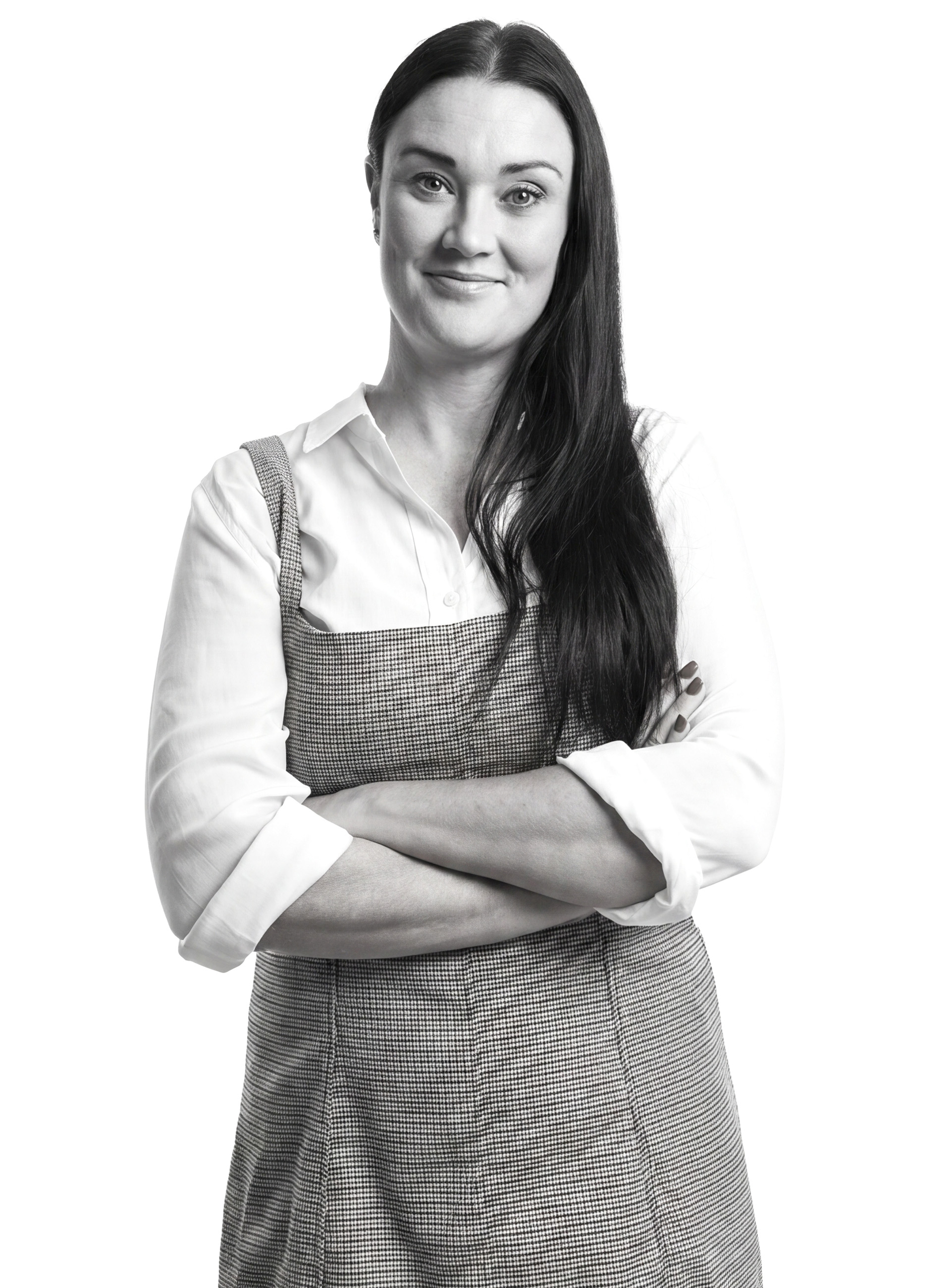
If you’ve spent years being told you’re “resistant,” “non-compliant,” or “not trying hard enough,” she’s your person. She understands that eating disorders don’t appear out of nowhere—they emerge from physiology, trauma, neurodivergence, sensory overwhelm, autonomic instability, and years of adapting to a world that kept misreading your body.
And she’ll be honest from the start: she’s a no-BS clinician who talks straight when clarity is needed, and talks shit when humour softens shame. Clients trust her because she’s real. She builds rapport not by being perfectly polished, but by being human—warm, sharp, funny, and deeply attuned to the functions dysfunctional eating once served.
Gabriel’s work is shaped not only by her clinical training but by her own lived experience with complex invisible illness. She knows how autonomic instability, pain, fatigue, sensory overload, and psychosocial factors can ripple directly into eating. She has lived the frustration of being told symptoms were “behavioural” when they were deeply physiological, and she brings that hard-won clarity into clinical practice (and academic achievements).
Her career has shown her how easily traditional eating-disorder settings can operate with blinders on—treating the behaviour without seeing the body it comes from, pushing protocols while missing the mechanism, interpreting fear or avoidance as defiance instead of survival. She has watched people be blamed for symptoms they never chose, pressured into plans that didn’t match their physiology, and misunderstood by systems that prioritised compliance over complexity.
What drives Gabriel is simple: she refuses to replicate that harm. She practices where lived experience is respected, where neurodivergence is not pathologised, and where the function of an eating disorder is understood before anyone asks it to change. She does this work because she knows what it’s like when the whole picture is finally seen—and she is determined to make that your experience too.
Gabriel understands how neurodivergence shapes eating far beyond “picky eating.” Executive load, sensory overwhelm, interoceptive confusion, and masking fatigue all affect appetite, digestion, and a person’s capacity to attempt change. She helps clients map the sensory, cognitive, and emotional demands around eating so meals become predictable. Her neuroaffirming approach recognises that many eating behaviours labelled “avoidant” are actually intelligent adaptations to overstimulation, pain, or sensory mismatch—and she works with clients to build safety before expanding capacity.
For clients with autonomic dysfunction or mast cell reactivity, eating can trigger a cascade of symptoms—nausea, tachycardia, dizziness, flushing, bloating, temperature swings—that traditional ED settings often misinterpret as resistance. Gabriel collaborates closely with Biio’s medical and dietetic teams to understand the physiological load under each meal, pacing exposure and identifying patterns the body is signalling. She helps clients differentiate fear-based avoidance from symptom-based avoidance, creating strategies that honour physiology while gently reintroducing foods, textures, and meal structures in ways the body can tolerate.
Gabriel recognises that connective tissue disorders and motility challenges fundamentally alter how eating feels. Slow gastric emptying, early satiety, reflux, bloating, chronic pain, and unpredictable energy create a landscape where traditional “three meals a day” recommendations are simply unrealistic. She validates the lived experience of meals that hurt, foods that linger, and hunger cues that disappear entirely. With this understanding, she supports clients in building flexible, physiologically aligned eating patterns while reducing the shame that often arises when bodies don’t behave the way providers expect.
Trauma changes appetite, digestion, memory, and felt sense of safety. Perfectionism and self-punishment often grow in the shadows of long-term survival strategies, shaping eating behaviours that appear rigid or chaotic from the outside but make profound sense on the inside. Gabriel helps clients understand these patterns with clarity and compassion—naming the function without judgement, separating identity from strategy, and loosening the grip of shame. Her style blends softness with directness, creating a therapeutic space where clients feel safe to be messy, honest, imperfect, and human while exploring new ways of relating to food and themselves.