
Services
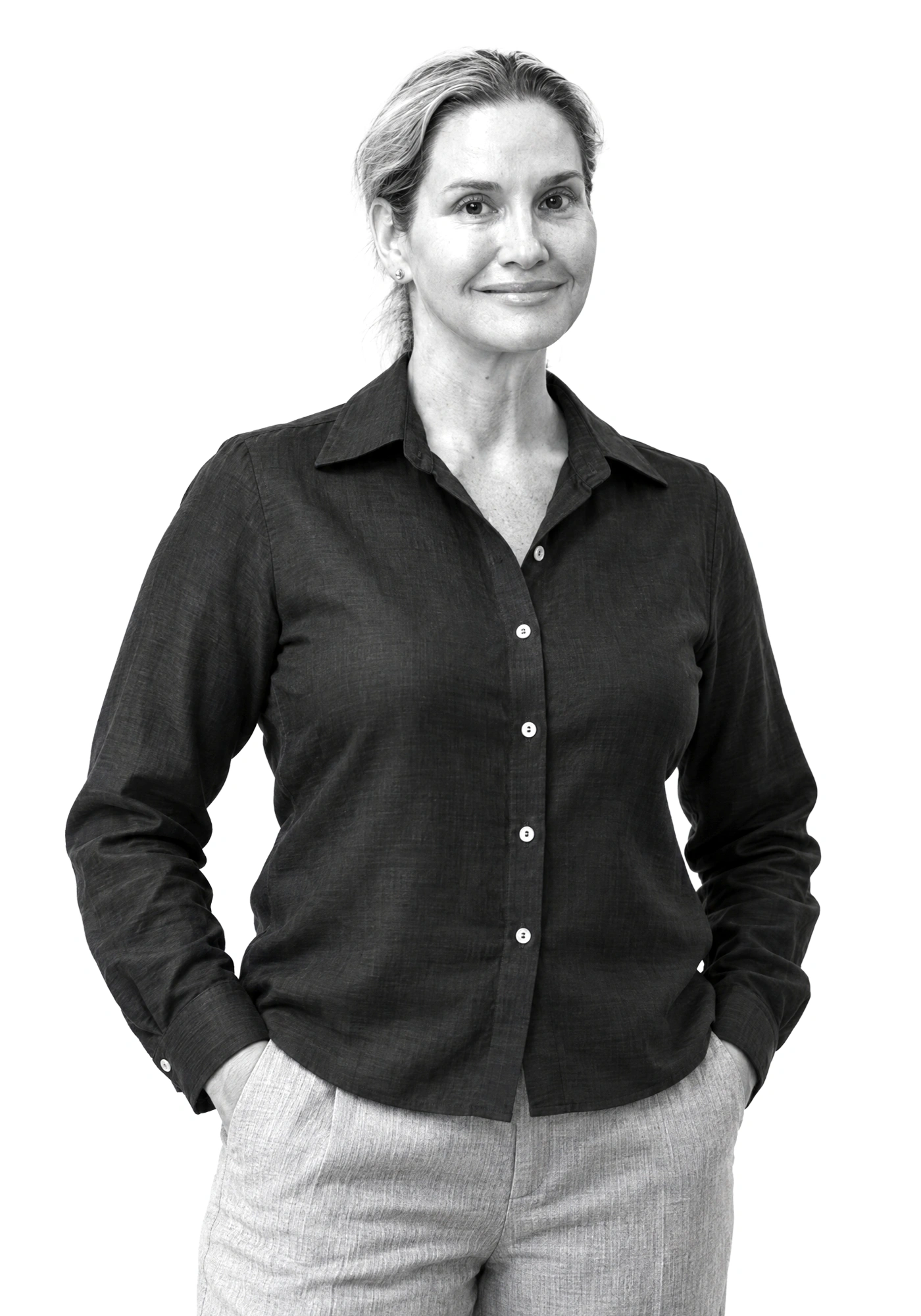
Over 30 years in emergency, intensive care and hospital-in-the-home nursing, at The Alfred, Austin Health and Royal Hobart Hospital, Beck kept seeing the same pattern, mostly in women. Symptoms that were hard to describe, came and went, and rarely showed on examination or in test results, yet shaped every part of a life. An invisible disease load. Beck carries one herself: she lived with Hashimoto's thyroiditis for over ten years before diagnosis, and has managed its flares and brain fog since.
What she wants from a first consult is simple: that you leave feeling heard, with a plan that turns your goals and challenges into structured next steps.
When symptoms fluctuate and rarely show on testing, Beck works from the patient's own account. Her toolkit spans pacing and energy management, nervous system regulation and medication to support symptoms, with an eye on new and re-emerging treatments as the research develops. She coordinates care across the wider biio. team, including where mast cell activation overlaps, and combines medical oversight with complementary therapies only where the evidence supports it.
Beck prescribes individually, matching treatment to each woman's symptoms, history and stage of transition, then adjusting it as hormones shift. As an endorsed prescriber she can consider off-label options where they fit, weighing clinical benefit against out-of-pocket cost. Treatment aims to settle symptoms now and protect long-term health.
Beck's thyroid care combines comprehensive blood testing, careful medication timing, targeted nutrient support and close medical supervision. Testing looks beyond thyroid levels to what often travels with autoimmune thyroid disease, including coeliac disease and iron, B12 and folate deficiency. Treatment is adjusted around symptoms and results together, aiming for fewer flares and more consistent function.
Beck's approach is individual and works on several fronts at once: stabilising loose joints, easing chronic pain, preventing injury, and managing overlapping conditions such as dysautonomia and fatigue. She coordinates these across disciplines so each part of the plan supports the others.