
Services
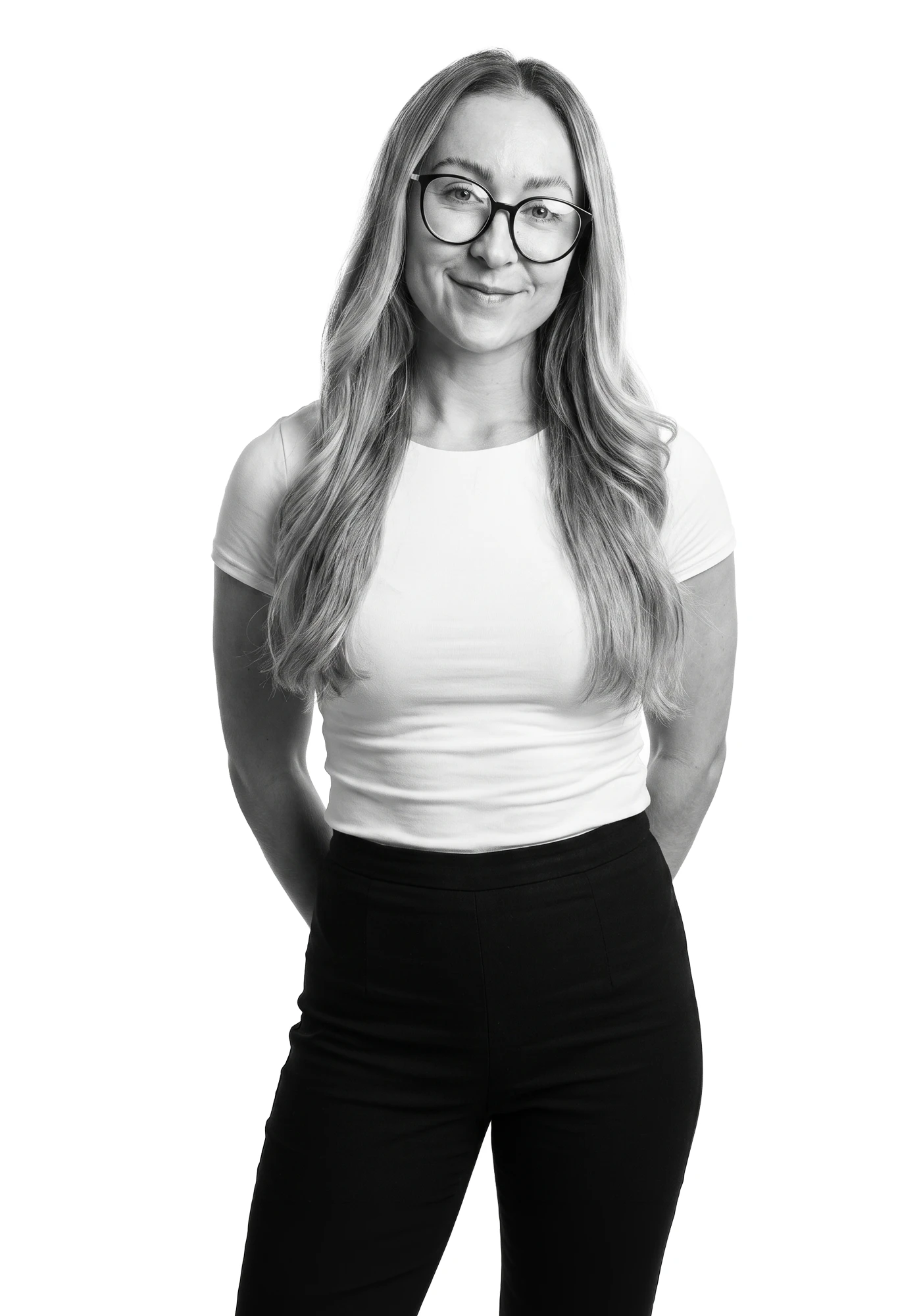
Bree’s understanding of chronic illness comes from both sides of the consult. She was diagnosed with POTS while working as a senior nurse in radiology, and learned how long it can take to be believed—and how much of the work of being unwell is administrative rather than medical: chasing referrals, repeating the same history, being the only person keeping track.
That experience shapes how she works. Bree listens for the story underneath the symptom list, then builds plans that are realistic and sustainable for the life a person actually has, not the one a guideline assumes. She is straightforward about what is known and what remains uncertain, and she does not ask anyone to fit a diagnostic box first.
POTS and related autonomic dysfunction affect how the body manages heart rate, blood pressure and blood flow against gravity. Symptoms cluster around position and exertion, so they are easily read as anxiety or deconditioning when heart rate is the only thing measured. Bree tracks how symptoms behave across a day, and works with the medical team on management that accounts for all of it. The aim is more predictable capacity, not a lower number on a monitor.
Mast cell activation, long COVID and chronic fatigue frequently overlap with autonomic dysfunction, and each can amplify the others. Symptoms shift week to week, so they are often assessed one system at a time, with the connections between them left unexamined. Bree helps map triggers and flare patterns over time so treatment can be introduced carefully in bodies that react to almost everything. Tolerance is built before anything is escalated.
Hormonal shifts alter autonomic tone, sleep, pain sensitivity and mood, so the menstrual cycle, perimenopause and postnatal recovery can destabilise conditions that were previously settled. Bree looks at where symptoms sit against the cycle or hormonal transition and coordinates hormonal and autonomic care together, so flares become predictable rather than random.
Complex presentations rarely need one clinician; they need several who are talking to each other. As a Complex Care Clinician, Bree holds the thread between medical, allied health and nursing care at biio.—tracking what has been tried, what helped, what is still outstanding, and where a plan has quietly stalled. Her background in procedural nursing and shift coordination means she also handles the practical layer: investigations, referrals, and the sequencing that keeps a plan moving. Patients carry less of that load themselves.