
Services
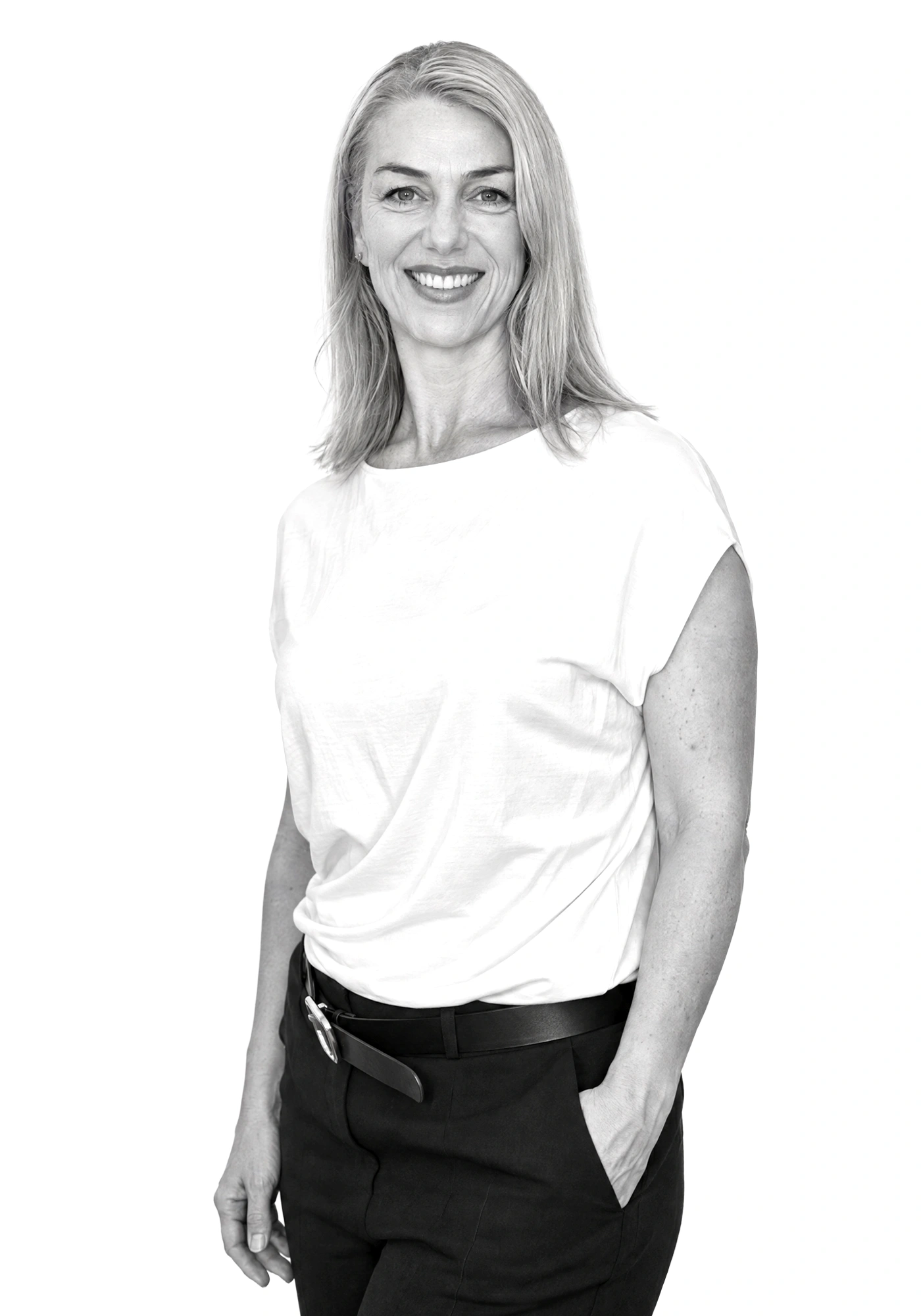
Claire is a senior physiotherapist who doesn't spend much time looking for the perfect exercise. She spends more time looking for the thing that gives someone a sense of possibility again. She began her career alongside patients with catastrophic injuries, including spinal cord injury, amputation and burns, and they taught her how humans overcome adversity. She has also worked with the invisible: conditions that affect every part of life, yet leave few medical clues. From the catastrophic to the invisible, complexity is the thread. Claire believes in hearing each person's story and helping them find the spark worth moving for. Her care is neuro-affirming and gender-affirming.
Claire assesses every system that feeds balance: vestibular, ocular, cervical, autonomic, sensory and musculoskeletal. Her toolkit includes the Dizziness Handicap Inventory (DHI), cervical joint position error testing, SCOAT-6 concussion assessment, and assessment of balance, mobility and falls risk. Safety at home comes first. Treatment then builds capacity through cervico-ocular training, balance, proprioception and breathing work, with task adjustment along the way. Where hands-on vestibular care is needed, she co-manages with in-person colleagues.
Assessment combines the NASA Lean Test, Malmö POTS and COMPASS-31 questionnaires, Beighton hypermobility scoring and fitness testing, with vestibular and neck findings where relevant. Claire ranks which findings to treat first. Graded exercise isn't the default. She starts by stabilising the system with postural support, muscle down-training, sleep and activity pacing, then builds strength, endurance and aerobic capacity in small steps.
Alongside pain type and triggers, Claire looks at nerve sensitivity, sensation, proprioception and body representation, using left/right discrimination testing. The PSEQ, PCS and DASS-21 capture confidence, catastrophising and mood. Treatment draws on her pain science training: stretch and strength, breathing and relaxation, aerobic activity and self-management strategies, each tied to the life goals a person wants back in their day.
A detailed conversation and questionnaires map a person's world, including triggers they may not have noticed and strategies they already use. Distraction can help in the short term; the longer aim is awareness and confidence. Treatment is individual and can be playful, combining sensory, pain and arousal management, graded activity exposure, and strength and fitness conditioning, directed at what matters most to the person.