
Services
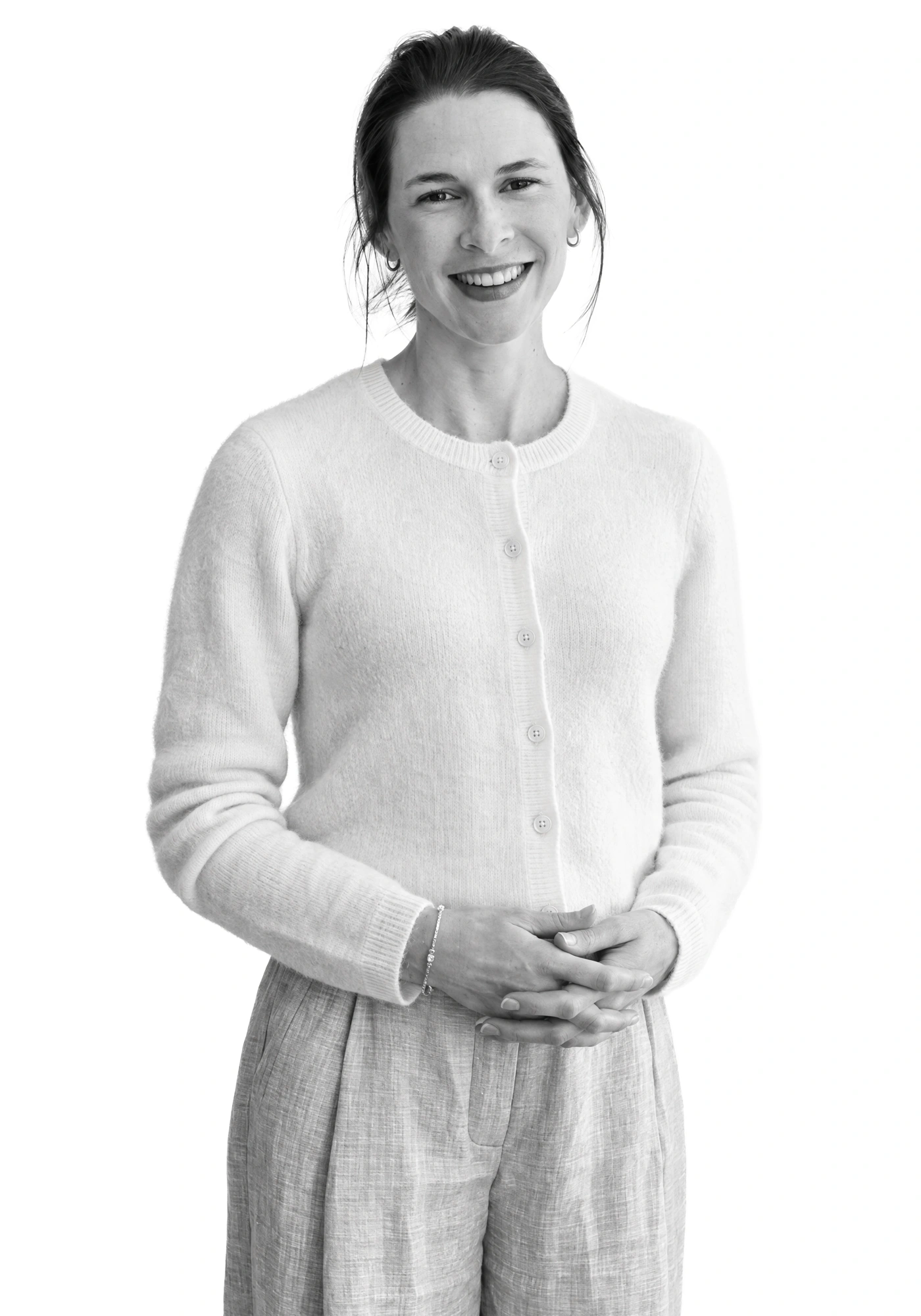
Erin is a Senior Physiotherapist with a background in musculoskeletal and pelvic health physiotherapy. She is interested in how body systems interact, particularly when symptoms extend beyond one diagnosis or body area. Her approach combines clinical reasoning, education and individualised exercise rehabilitation to help people understand their symptoms and participate in activities that matter to them.
After starting her career in musculoskeletal physiotherapy, she pursued pelvic health training to better understand the lumbopelvic system. As her pelvic health caseload grew, Erin began seeing more people with overlapping conditions, particularly hypermobility and dysautonomia. These experiences sparked her curiosity about presentations that don't fit neatly into one clinical area.
Erin adapts her approach to the person in front of her. Some people need time to tell their story, while others prefer a direct, practical discussion. She enjoys connecting the dots between symptoms and contributing factors, helping people make sense of their experiences and developing rehabilitation strategies around their needs and goals.
Pelvic health concerns can involve more than the pelvic floor itself. Erin considers pelvic floor muscle function alongside musculoskeletal health, breathing, pressure management, movement and hormonal changes.
Her experience includes urinary incontinence, urgency and frequency, pelvic organ prolapse, constipation, defecation difficulties and pelvic pain, including presentations associated with gynaecological conditions such as endometriosis and adenomyosis. Her care spans adolescence, pregnancy, postpartum, perimenopause and menopause.
Rehabilitation may include pelvic floor muscle training or relaxation, bladder and bowel retraining, education, pressure management, movement retraining and progressive strengthening.
With a background in competitive gymnastics, distance running and strength training, Erin is particularly interested in supporting female athletes and active women navigating complex or invisible conditions, including hypermobility and dysautonomia, that affect training, recovery and sporting participation.
She considers how these conditions interact with pelvic, menstrual and hormonal health, Relative Energy Deficiency in Sport (REDs), bone health and musculoskeletal injuries, including across adolescence, pregnancy, postpartum and menopause.
Her approach combines individualised strength and conditioning, load management and return-to-sport rehabilitation, collaborating with other health professionals where appropriate.
Erin treats lower back, sacroiliac joint, hip and pelvic girdle pain, including persistent or recurring symptoms. Combining musculoskeletal and pelvic health expertise, she considers movement patterns, strength, coordination, load tolerance and pelvic health rather than focusing only on the painful area.
Rehabilitation may involve targeted strengthening, movement retraining, load management and practical activity modifications to improve function and confidence with movement.
Erin supports people experiencing hypermobility-related pain, fatigue, instability and difficulties with proprioception or movement control. A particular strength is her creative, individualised exercise prescription, using movement cues, tactile feedback and progressive strengthening to improve coordination across kinetic chains, joint control and load tolerance for everyday activities and sport.
For people with POTS and other forms of dysautonomia, symptoms and exercise tolerance can fluctuate. Erin recognises that rehabilitation is not always linear and considers individual triggers, symptom patterns and recovery.
Drawing on her exercise rehabilitation background, she adapts movement, strength training and conditioning through changes to exercise position, intensity and recovery periods. Her approach emphasises flexible activity management and building capacity where appropriate, alongside broader medical care.