
Services
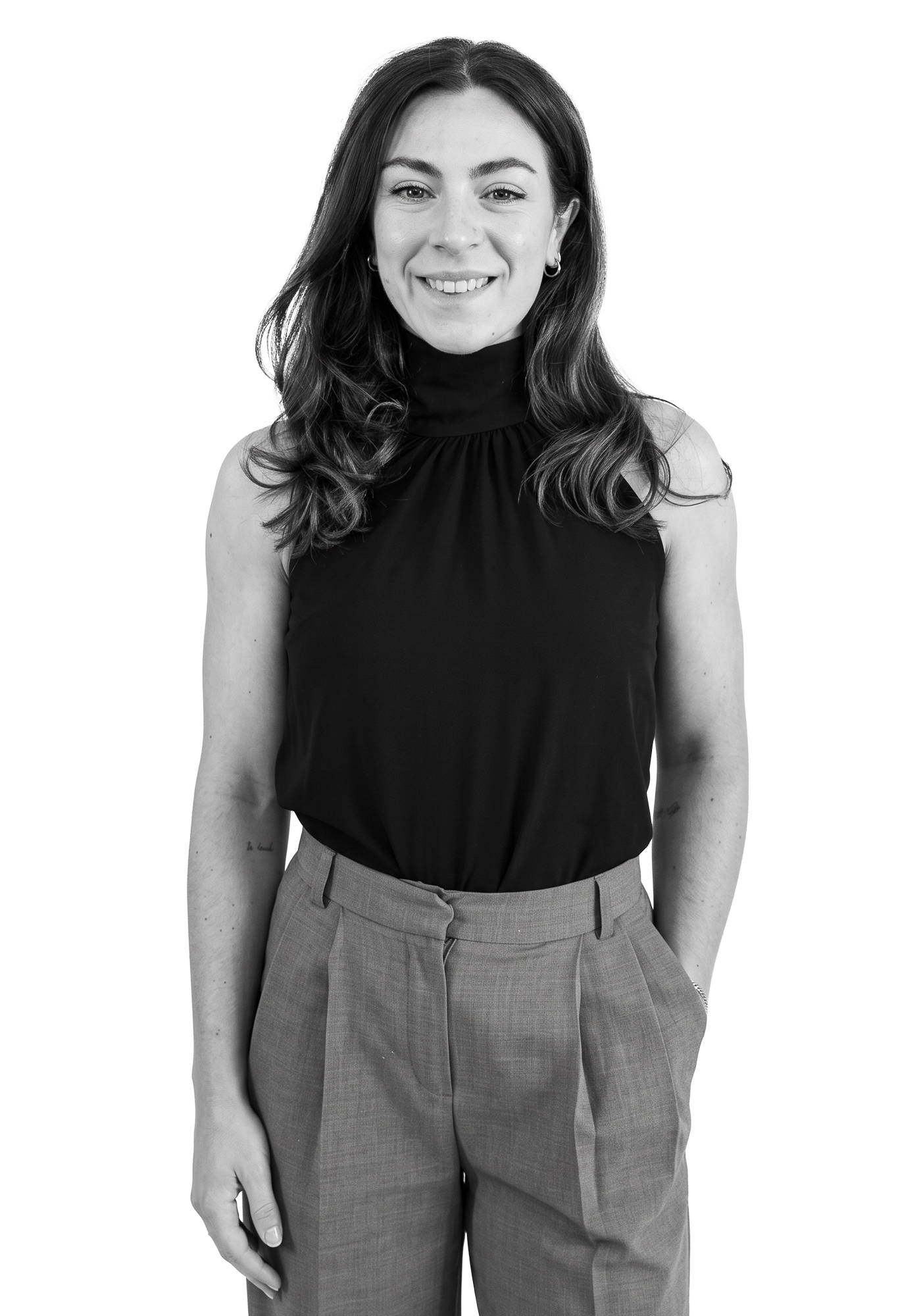
Hat is a speech pathologist who supports neurodivergent and chronically ill people to understand how they communicate, process information and express emotion, so everyday life, including healthcare, takes less effort. Sessions start where the person feels comfortable, with adjustments made before anything else, and the plan going forward is shaped together.
Her own autism diagnosis led her to this work, and autism and ADHD became a special interest. Years of healthcare barriers, medical trauma and misunderstood communication followed before she was diagnosed with Ehlers-Danlos syndrome, scoliosis and fibromyalgia, with other conditions after. Navigating care as a disabled woman, for both physical and mental health, focused her on helping others have better experiences, and she brings that lived experience into the room. Outside work, she plays pickleball and lifts weights, and knows what it means to be chronically ill and need to move a lot.
Under pressure, processing time shrinks and demands stack up, so what a person means is easily lost. Most appointments are not built around how someone takes in or expresses information. Hat builds a communication profile with each person: how they communicate, how others can best communicate with them, and how they process information. The profile can be shared with the care team, and she can attend appointments to support processing and self-advocacy.
Speech is not always reliable, particularly under fatigue, pain or stress, and when it falters people can be left out of decisions about their own care. Hat prescribes alternative and augmentative communication (AAC) and advises other clinicians on supporting AAC users in their sessions, so a person's preferred way of communicating carries across the team.
A diagnosis names a pattern but rarely explains how it plays out day to day. Executive function, interoception (sensing internal body signals), emotional awareness and demand load all shape capacity, yet reports seldom translate these into practical terms. Hat helps people understand what their diagnosis means for them, then builds strategies together, including for identifying and communicating emotions and for lowering demands in a PDA profile.
Neurodivergence and chronic illness often overlap, and each changes how the other is felt and reported. Interoceptive differences and communication barriers can leave physical symptoms unrecognised when the two are considered apart. Hat looks at how a person's brain and physical health interact, refers on to physical health services where patterns emerge, and works alongside occupational therapists, psychologists and psychiatrists where sensory, regulation, trauma or mental health needs arise.