
Services
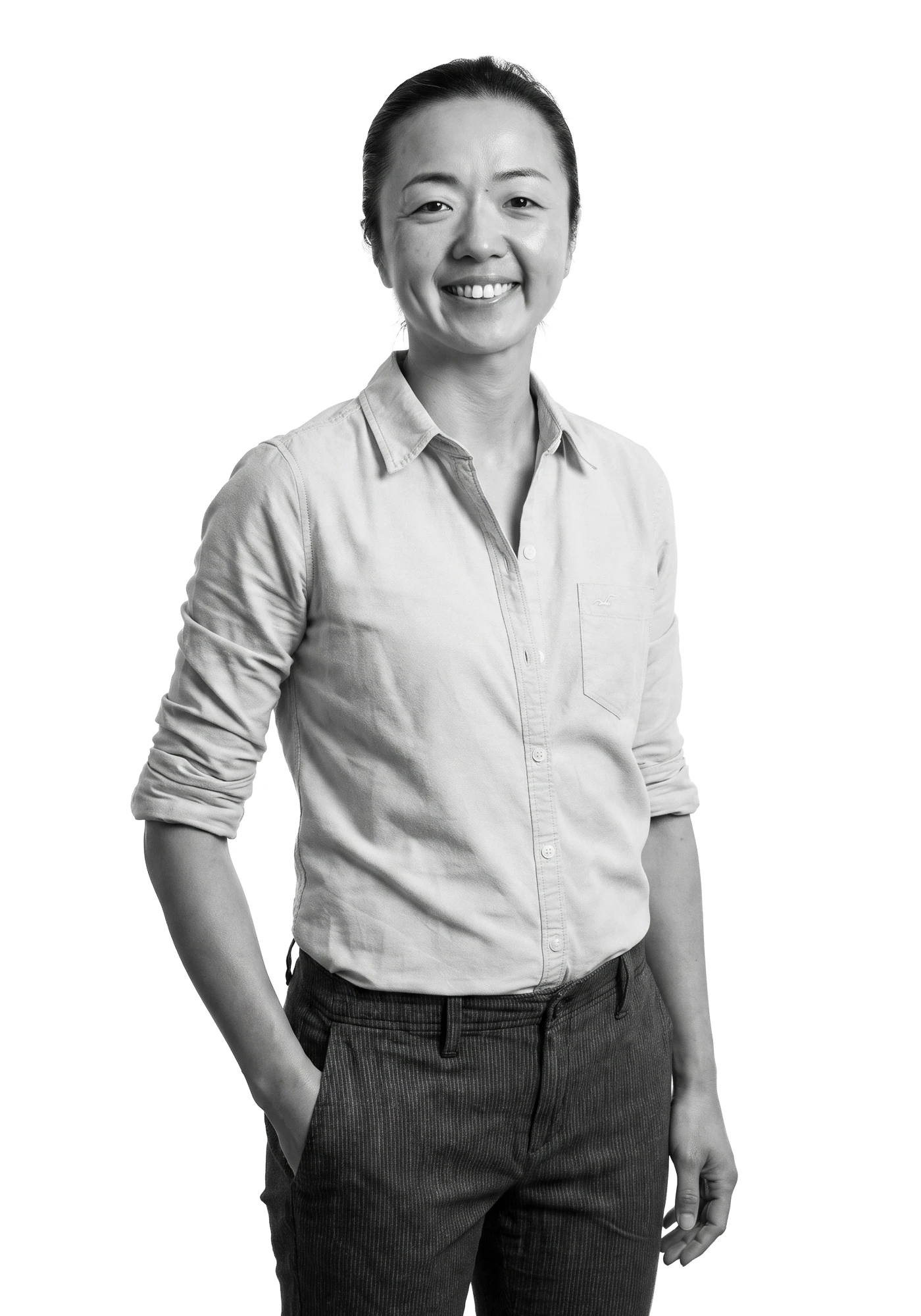
Carina's path to integrative physiotherapy began in nutrition science and has expanded through fifteen years of hospital and private practice in Hong Kong and Australia. Her approach draws on acupuncture, Clinical Pilates and somatic therapies, not as separate services, but because persistent pain and complex symptoms rarely fit within a single clinical lens. She now works with people whose symptoms have outlasted standard treatment, helping them understand what may be contributing and identify practical ways forward.
Her experience as a Health & Wellness Coach and Educator helps her translate complex clinical information into personalised strategies that people can use in daily life. Her lived experience of developmental trauma and ADHD also fosters a trauma-informed and neurodivergence-affirming approach grounded in respect, collaboration and individual choice.
The jaw sits at a crossroads: the bite, ears, airway, upper neck and cranial nerves all mingle around this region, so jaw and facial pain and headache rarely have a single origin, and referred pain can further increase the difficulty in identifying the root cause of the symptoms. Irritation and pain around the head and face can also heighten the autonomic fight-or-flight response, meaning that what appears as a localised problem can affect the entire body.
Carina assesses how these systems interact, using manual therapy, acupuncture, specific exercises and habit change, and working alongside dentists, ENT specialists and mental health professionals when needed. The aim is to eat, talk and yawn more comfortably while reducing the wider impact of pain and headache on daily life.
To compensate for joint laxity, hypermobile bodies often adopt protective guarding strategies, which can cause painful and inefficient movement patterns. As a result, everyday movement costs more, and symptoms often extend to dysautonomia and fatigue. Standard strengthening programmes can flare symptoms when they ignore these limits. Carina uses graded, Pilates-informed rehabilitation that respects current capacity, building proprioception and neuromuscular control at the right pace. The aim is to stabilise the joints, optimise movement strategies, and regain functional confidence.
Repeated strain or injury can create adhesions between connective tissue layers, causing localised stiffness, compensation and irritation along the lines of fascia. Using very fine needles, Carina gently stimulates the soft tissues to release these adhesions and redistribute tension, easing irritation and creating space for movement. Emerging research is beginning to explain how such local stimulation produces these wider effects, echoing what traditional medicine has long recognised.
Posture and movement patterns are rarely permanent or purely mechanical — they often develop around our physiological and emotional states. What looks like "poor" biomechanics can be a protective adaptation to pain, fatigue, stress or past experiences, not a fault to fix. Carina works to understand these patterns and guide the body toward releasing the tension, combining hands-on treatment, tension-releasing and somatic exercises to build interoceptive awareness. As the nervous system feels safer, it becomes more open to exploring new, better ways to move.