
Services
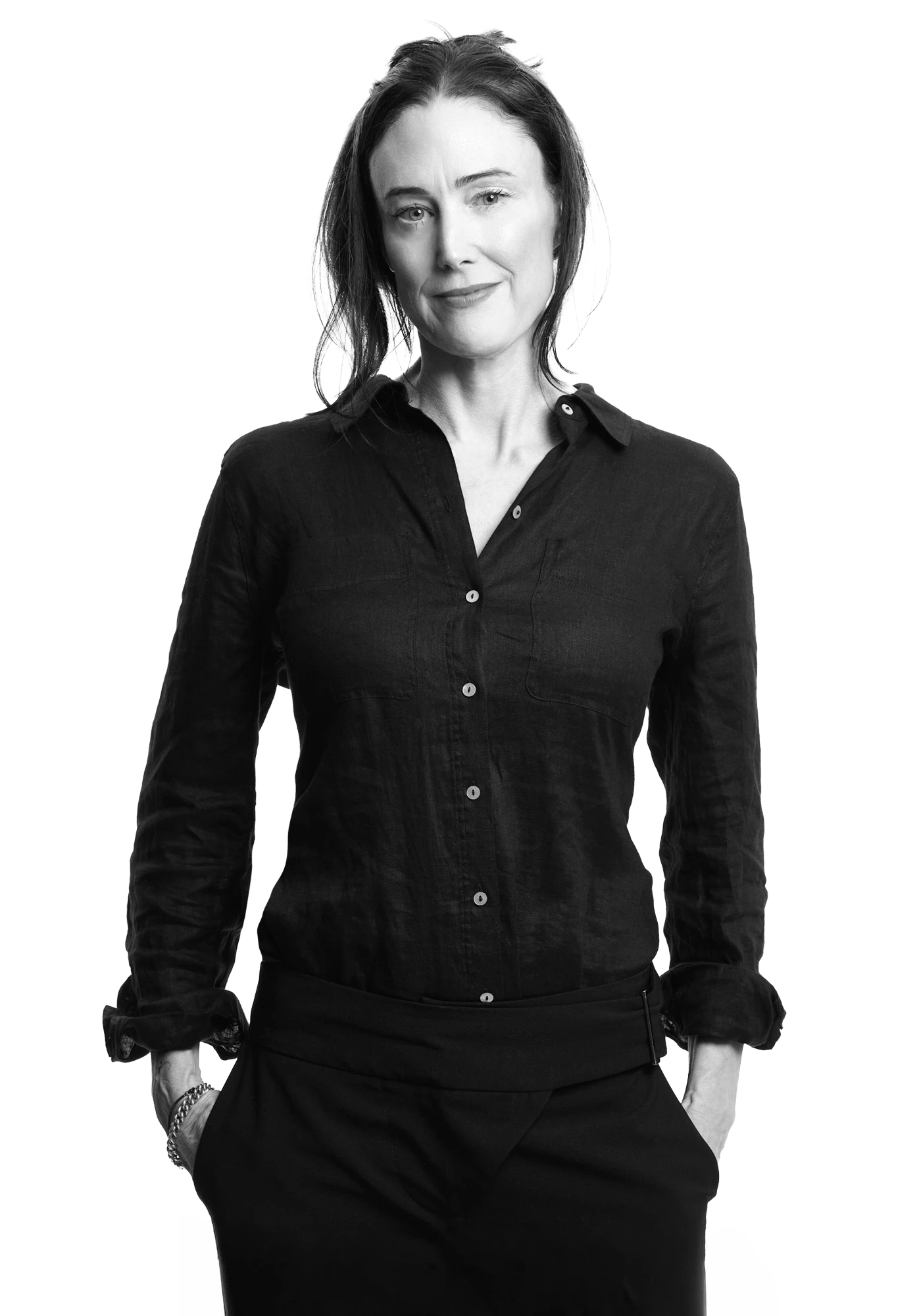
Loren's work is grounded in a clear belief that people are more than a diagnosis. She was drawn to neurodevelopmental psychology to better understand how individuals think, learn, and function—particularly when those patterns don't fit standard expectations. Her approach is calm, collaborative, and practical, with a focus on helping people make sense of their experience and build strategies that support them in everyday life.
ADHD and autism frequently overlap, and each can mask or mimic the other—attention differences, sensory load, and learned compensation blur the picture, particularly in high-masking individuals. Single-condition screening often misses this. Loren conducts ADHD, autism, and combined AuDHD assessments for children, adolescents, and adults, using detailed developmental history and functional assessment to clarify what is driving challenges. The aim is a clear, accurate profile that guides meaningful support—not a label for its own sake.
Many neurodivergent adults reach adulthood without recognition, having adapted so well that the effort involved is invisible—often at the cost of exhaustion, anxiety, and self-doubt. Standard mental health care can treat these symptoms without seeing the pattern underneath. Loren works with adults who are questioning, newly identified, or long diagnosed, combining assessment, psychoeducation, and practical strategies for executive function and emotional regulation. The aim is daily life built around how the person actually functions.
In children and adolescents, neurodevelopmental differences often show up through learning, behaviour, and regulation—and are easily misread as defiance, anxiety, or lack of effort. Loren's training in educational and developmental psychology sits at the heart of her work here. She assesses learning and developmental patterns, works directly with children and adolescents, and supports families with behavioural strategies and psychoeducation, so the environment around the child works with their development rather than against it.
Rather than focusing on deficits, Loren's work centres on identifying strengths and building capacity around them. Many individuals have developed adaptive strategies that are often overlooked or misunderstood. Loren helps translate these into practical tools, supporting people to work with their cognitive style rather than against it, and to build skills that are sustainable over time.