
Services
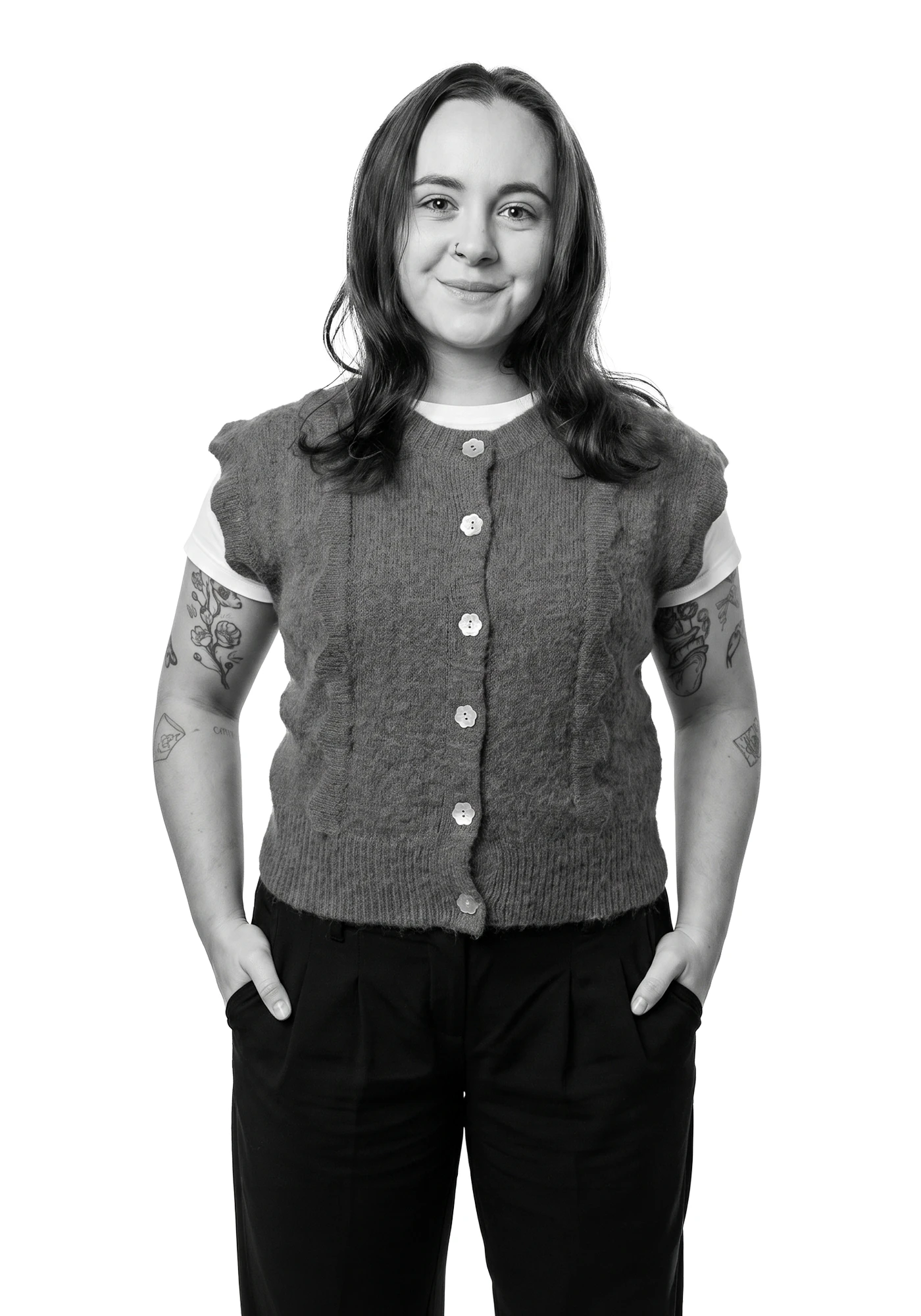
Mya grew up athletic — and still is. She plays AFL and has competed in powerlifting and CrossFit. But her own hypermobility meant her body never responded to training the way the textbooks said it would. Working out why became a rabbit hole: the more she learned about hypermobility's reach beyond the joints, the more it shaped how she practises. She came to biio. from a strength-based physiotherapy setting, where she helped people who had never lifted a weight build lasting strength.
When connective tissue is more lax, joints depend on muscle for the stability that ligaments would usually provide. Movement costs more, fatigue arrives earlier, and injuries can recur without an obvious cause. Standard care often treats each sore joint in isolation, missing the pattern underneath. Mya works with the whole pattern — building control and capacity around the joints that need it most, so movement becomes more reliable and less costly.
Strength is one of the most protective things a hypermobile or chronically unwell body can build — but conventional programming assumes tissues that adapt on schedule and joints that keep themselves stable. Pushed too fast, training flares symptoms instead of building capacity. Mya programmes load carefully and progressively, meeting people where they are, including those who have never trained before. The aim is strength that accumulates without setbacks.
Healthcare often assumes a standard body and a standard way of experiencing it — instructions that don't fit, environments that overload the senses, histories of not being believed. For neurodivergent and LGBTQIA+ patients, the appointment itself can become a source of stress before treatment even begins. Mya adapts how she communicates, paces and structures sessions to each person, so care starts from safety rather than asking people to translate themselves first.