
Services
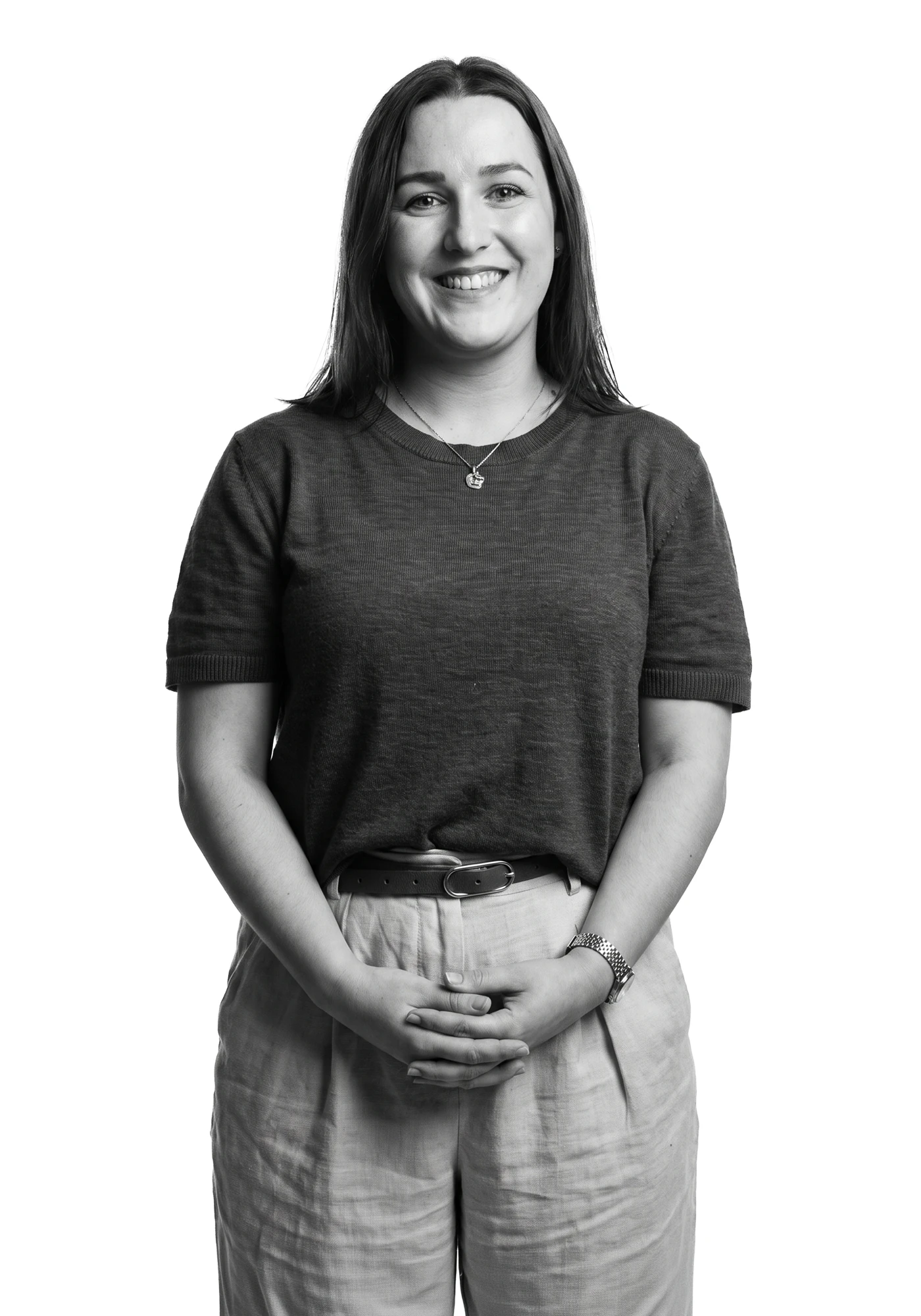
Sally's clinical interest sits where conditions overlap: hypermobility, dysautonomia, persistent pain and pelvic health, in bodies where these are rarely separate problems. Sessions with her tend to feel collaborative rather than clinical — she's warm, easy to talk to, and quick to laugh — but underneath is careful, methodical work: helping people understand what their body is doing and why, so the plan makes sense rather than being handed down. She has completed additional training in continence management and pelvic floor assessment, and begins postgraduate pelvic health study in 2026.
In hypermobile bodies, joints move beyond the ranges muscles can easily control, so stabilising costs constant effort — leading to fatigue, pain, and a growing wariness of movement. General strengthening programs often miss this, because control and proprioception, not raw strength, are the limiting factors. Sally works on building strength the body can actually use, developing control before adding load, so movement becomes more stable and reliable.
Connective tissue laxity doesn't stop at the pelvis. In conditions like EDS and POTS, the pelvic floor is working within a lax, often overloaded system — and pelvic pain, urgency and incontinence frequently reflect overactivity and a sensitised nervous system rather than simple weakness. Standard pelvic health care rarely accounts for this wider picture. Sally assesses what the pelvic floor is actually doing within the whole-body context, so treatment matches the mechanism rather than the assumption.
When pain persists, the nervous system itself becomes part of the problem — protective responses outlast tissue healing and turn movement into something to brace against. Care that keeps chasing the original injury tends to stall here. Sally combines graded, paced movement with time spent making sense of pain, helping the body relearn that movement can be safe. The aim is function without flare-ups.
Bodies managing invisible illness often can't tolerate standard exercise progressions — pushing harder can cost days. Sally builds tailored plans that work within current capacity, progressing load in a structured, responsive way, and helps clients learn to read their own body so gains hold outside the clinic. The goal is a steady return to the activities people love.